

“It is not really a castle, you know!” says Roland Thenot, the 84-year-old owner of Montclavel.
But the 19th-Century home, located in the French volcanic region of Auvergne, very much resembles a castle. Thenot concedes this is true of the 700-sq-m manor on a seven-acre park. “Well, there are two towers, four buildings and a big garden, so I guess it does look like a castle from the architecture point of view!”
Unlike aristocratic castles in the region, however, he says that Montclavel “has a soul”.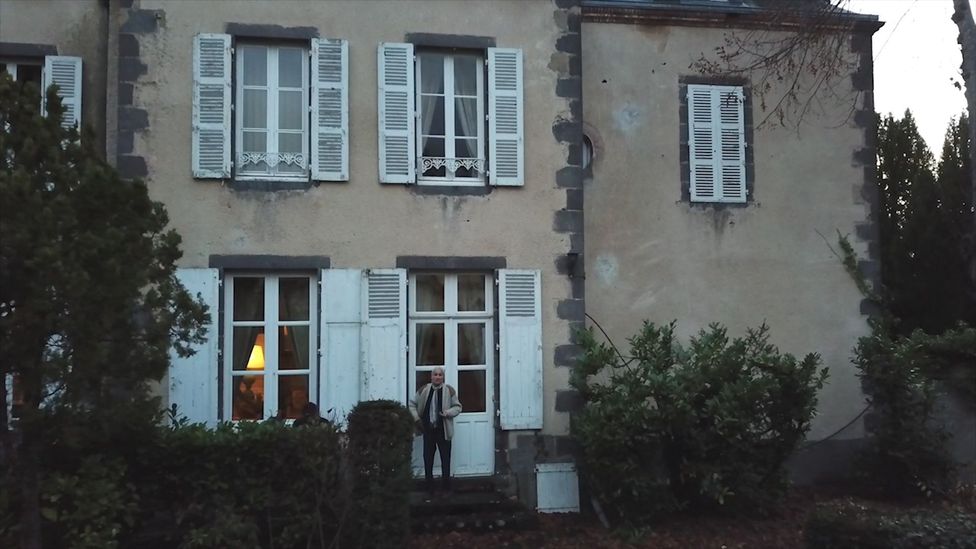
(Credit: Andrea Neri)
Montclavel’s name comes from the Spanish ‘clavel’, the word for the carnation flower.
(Credit: Andrea Neri)
‘Commoners’ origins’
Thenot’s Montclavel has what he calls “commoners’ origins”.
“My parents worked as scrap merchants and owned a factory in Clermont-Ferrand,” says Thenot. After WWII, during the rapid economic growth of the French Trente Glorieuses, his father bought Montclavel as a secondary house to gather his family.
The castle has been in the family for nearly 60 years.
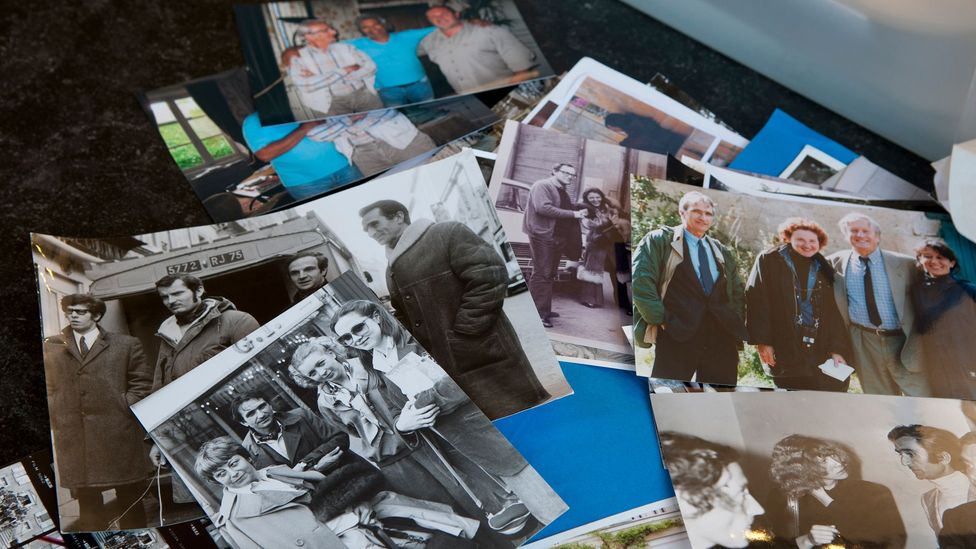
It has developed a rich history – la vie de château –including playing a role in the French cinema ‘New Wave’ movement in the late 60s, when famous French film director François Truffaut chose Montclavel to be the setting of The Wild Boy. (Thenot was working then as an assistant on Truffaut’s film shoots.) In the 70s, Thenot transformed Montclavel’s basement into a profitable disco, and with his sister turned the old stables into a small, “avant-garde” restaurant that attracted his Parisian friends to have dinner in one of the horseboxes.
